Primal Pack Review: Testosterone boosters are all the rage for men trying to maximize their muscle gains, increase energy, and feel younger. Many of the testosterone supplements of the last 15 years have been designer steroids and pro-hormones that have health and safety risks. 1st Phorm developed a safe and natural stack called "Primal Pack" that can help you increase not only Testosterone, but Growth Hormone naturally.
You can order the Primal Pack today and get free shipping by clicking link!
Primal Pack Review: Primal Pack is Primal T, Compound HD, and Night T
Primal T
"Testiphex Blend: 1000 mg"
Tribulus Terrestris- Multiple studies have shown that it has a positive effect on libido
Muira Puma Extract- Multiple studies have show that it has a positive effect on libido
Avena Sativa 10:1 Extract- Studies have shown it to free up testosterone and increase libido.
Eurycoma Longifolia Extract- Multiple studies show a positive effect on libido
Fenugreek Seed Extract- May increase testosterone and libido
"Max GH Matrix: 500 mg"
AlphaSize- Increase in GH and Power Output has been seen in studies
Ashwagandha- Increase in LH and Power Output has been seen in studies
Maca Root Extract- Increase in libido has been seen in multiple studies which is awesome!
Suma Root Extract- May increase testosterone and decrease estrogen
Rhodiola Rosea Extract- Reduces fatigue and increases well being in studies
Hordenine HCL- Fat burner
Summary: Primal T has ingredients that have shown promise to increase testosterone, increase growth hormone, and increase sexual health thus helping you grow muscle.
"You may feel like America Exploded in your mouth in the gym!"
Now we will look at "Conquest HD"
This will boost your testosterone like never before!
Conquest HD
Serving Size: 6 Capsule Servings Per Container: 20
AMOUNT PER SERVING
% DAILY VALUE
D Aspartic Acid
3120 mg
+
Agmatine Sulfate
1000 mg
+
Fenugreek Extract- (50% furastonolic Saponins and 20% protodioscin )
150 mg
+
Rosemary Extract
150 mg
+
OTHER INGREDIENTS: Gelatin, Silicon Dioxide, and Magnesium Stearate.
Night T:
Sleep like a baby and raise testosterone and GH Levels with Night T.
erving Size: 3 Capsules Servings Per Container: 20
AMOUNT PER SERVING
% DAILY VALUE
Zinc Chelate
30 mg
200%
Magnesium Aspartate
450 mg
113%
Vitamin B6
10.5 mg
113%
GABA
1000 mg
+
Valerian Root
200 mg
+
Kava Kava
200 mg
+
5 HTP
100 mg
+
Alpha-Glycerolphosphocholine
100 mg
+
Melatonin
3 mg
Overall:
For aging men or men who feel like they don't have the testosterone they did before, "The Primal Pack" can help you find more focus in the gym, increase Testosterone and GH, and feel much more vibrant in the bed room.
You can purchase the Primal Pack @ 1stphorm.com/nutritiontrain along with many other great nutritional supplements.
A low-fat diet may put people at the highest risk for gaining their weight back, because it decreases their resting energy expenditure and total energy expenditure more than other diets, such as a low-glycemic index diet and a very low carbohydrate diet. A team of investigators from Children's Hospital Boston published their preliminary research in JAMA while studying the effects on energy expenditure and components of the metabolic syndrome of these 3 common diets.
A low-fat diet requires a limited amount of fat, most importantly saturated fat, cholesterol, and total caloric intake. This diet typically limits to 1700 calories per day. Foods high in carbohydrates are recommended.
A low-glycemic index diet measures the amount of carbohydrate intake. The diet follows a scale where food is assigned an index number from 1-100 (100 meaning pure glucose). Eating low-glycemic foods take longer for the body to absorb, which makes the person feel satisfaction longer and be less likely to overeat.
A very low carbohydrate diet restricts carbohydrates to about less than 20% of caloric intake per day. Foods containing a higher percentage of proteins and fats are eaten in place of foods such as pasta and bread (foods high in carbohydrates).
Many people struggle with weight loss and understand how hard it is to keep the weight off. Unfortunately, these dieters do not know the reasons they put their weight back on and keep trying different diets to find the long-term results they are looking for.
The researchers explain as background information to their report:
"Many people can lose weight for a few months, but most have difficulty maintaining clinically significant weight loss over the long term. According to data from the National Health and Nutrition Examination Survey (1999-2006), only 1 in 6 overweight and obese adults report ever having maintained weight loss of at least 10 percent for 1 year".
The problem is not losing the weight, but keeping it off
One explanation is that losing weight causes a decline in energy expenditure, while increasing hunger eventually results in weight gain.
In order to evaluate the effects of dietary composition on energy expenditure during weight loss, Carl B. Ebbeling, Ph.D., of Children's Hospital Boston, and colleagues conducted a study using the 3 different weight-loss maintenance diets mentioned above. The study tested the diets on energy expenditure, hormones, and components of the metabolic syndrome between June 2006 sand June 2010.
The study consisted of 21 young adults, either overweight or obese, who achieved 10 percent to 15 percent weight loss while trying a run-in diet. The participants then were chosen one of the 3 diets in random order, each for 4 weeks. The diets were the low-fat diet (high glycemic load), low-glycemic index diet (moderate glycemic load), and very low-carbohydrate diet (low glycemic load). Resting energy expenditure (REE), total energy expenditure (TEE), hormone levels, and metabolic syndrome components were all measured.
There was a significant difference in the energy expenditure during weight-loss in each of the 3 diets. Researchers found that:
The decrease in REE from pre-weight loss levels was greatest for the low-fat diet (average relative to baseline, -205 kcal/d) while measured by indirect calorimetry in the fasting state.
The very-low carbohydrate diet showed the least amount of decrease (-138 kcal/d)
The low-glycemic diet showed intermediate decreases in the low-glycemic index diet.
Each diet also showed significant decreases in TEE: – average -423 kcal/d for low fat – average 297 kcal/d for low glycemic index – average 97 kcal/d for very low carbohydrate
The authors said:
"Hormone levels and metabolic syndrome components also varied during weight maintenance by diet (leptin; 24-hour urinary cortisol; indexes of peripheral and hepatic insulin sensitivity; high density lipoprotein [HDL] cholesterol; non-HDL cholesterol; triglycerides; plasminogen activator inhibitor 1; and C-reactive protein), but no consistent favorable pattern emerged.
The results of our study challenge the notion that a calorie is a calorie from a metabolic perspective. TEE differed by approximately 300 kcal/d between these 2 diets [very low-carbohydrate vs. low-fat], an effect corresponding with the amount of energy typically expended in 1 hour of moderate-intensity physical activity.
(Conclusion) These findings suggest that a strategy to reduce glycemic load rather than dietary fat may be advantageous for weight-loss maintenance and cardiovascular disease prevention. Ultimately, successful weight-loss maintenance will require behavioral and environmental interventions to facilitate long-term dietary adherence. But such interventions will be most effective if they promote a dietary pattern that ameliorates the adverse biological changes accompanying weight loss."
Food provides your body with the energy it needs to perform all of life's basic functions, from breathing and pumping blood to more complicated movements and tasks. Even in a state of rest, your body is constantly working. Case in point: your body uses most of its energy stores while resting, which is why it's important to replenish those stores by consuming enough calories each day.
According to the U.S. Department of Agriculture (USDA), a person assigned male at birth should consume between 2000 and 2800 calories per day, whereas a person assigned female at birth should consume between 1600 and 2400 per day on average. Any diet that contains 800 calories a day or less is considered a low-calorie diet. While unhealthy fad diets might lure folks into visions of ultra-quick weight loss, an 800 calorie diet can pose serious health risks, especially if it's not prescribed by your doctor.
In some cases, doctors prescribe low-calorie diets to patients, but, unlike the folks behind fad diets, a medical professional will ensure that there's not only a legitimate, urgent need for the diet, but that the patient will receive all the nutrition and support they need while following the regimen.
Here, we'll delve into the ways a very low-calorie diet can be unsafe and unhealthy as well as some more realistic alternatives when it comes to weight loss goals.
Your body needs nutrients, such as fiber, vitamins, minerals, and protein, to stay healthy day-to-day and in the long term. For example, you need calcium for bone health, potassium or magnesium for heart health, and fiber for gut health, to name a few. Without enough calcium, you put yourself at an increased risk for bone diseases and fractures.
Photo Courtesy: VioletaStoimenova/Getty Images
Without enough potassium or magnesium, your heart rhythms could become irregular, you could experience heart palpitations, or you could have a stroke or heart attack. Too little fiber can lead to constipation, unhealthy blood sugar levels, and even colon cancer. With a diet of 800 calories a day, it's almost impossible to get all the nutrients your body needs.
2. You'll Feel A Lot More Sluggish
A very low-calorie diet will cause your body to go into survival mode. This means your muscles will start to break down for their stored glucose to get your body the energy it needs to function. Even if you work out, your muscle mass will likely decline, giving you less strength for movement of all kinds.
Photo Courtesy: Kathrin Ziegler/Getty Images
Furthermore, without consuming enough calories per day, your metabolism starts to slow down in an effort to conserve energy. This will also cause you to feel a lot of unnecessary fatigue.
3. Your Overall Quality of Life Will Probably Decline
Very low-calorie diets can cause a slew of different negative side effects that are not only bad for your health, but uncomfortable. Most likely, you will always feel hungry and extremely fatigued. You may also experience constipation, diarrhea, dizziness, stomach cramps, headaches, dry mouth, and hair loss.
Photo Courtesy: LaylaBird/Getty Images
Very low-calorie diets can also lead to an eating disorder. For instance, extreme calorie-cutting can trigger spiked hunger levels, leading to binge eating. Most would probably agree that the pain and discomfort that comes with an 800 calorie a day diet alone make it not worth pursuing.
4. Your Mental Abilities Won't Be As Sharp
Your brain needs a continuous supply of glucose to function normally. Without it, your mental prowess will begin to lag. Glucose isn't the only thing your brain needs either. Nutrients are also necessary to keep it running correctly.
Photo Courtesy: Image Source/Getty Images
When you put your body through a very low-calorie diet, your starved brain could easily forget how to do basic tasks like cooking an egg or turning on a lamp. Your ability to focus on anything from a simple conversation to a television show to your work will also decline.
5. You'll Increase Your Likelihood For Gallstones
One of the most common serious side effects of an 800 calorie a day diet is gallstones. This happens because your body will begin to break down fat to get the energy it is missing, which, in turn, causes the liver to secrete higher-than-normal levels of cholesterol.
Photo Courtesy: Ruben Earth/Getty Images
When that high cholesterol combines with bile, gallstones can easily form. Gallstones are common for people who are rapidly losing weight. They cause a significant amount of abdominal pain and can even require surgery.
6. The Weight Loss Typically Does Not Last
A meta-analysis of 29 studies (see Resource Links) found that low-calorie diets helped people lose weight in the short term. However, that weight loss usually did not last long-term.
Photo Courtesy: stockvisual/Getty Images
The reason for this is simple: once you stop the diet, the weight comes right back. Because an 800 calorie diet is not even remotely sustainable for health reasons, steer clear of it, as it won't even give you the results you want.
Alternatives to a Very Low-Calorie Diet
An 800 calorie a day diet is dangerous and unsustainable. Instead, if you want to lose weight by cutting calories, there are several, much safer alternatives.
Try Intermittent Fasting
Intermittent fasting is a pattern of eating where you have periods when you can eat and periods when you cannot. It doesn't matter what you eat during your eating times. The only restriction is when you eat. Some of the most common intermittent fasting cycles are 16-hour and 24-hour fasting periods. The 16-hour fasting cycle allows you to eat for eight hours each day. The 24-hour fasting method is done only twice per week.
Fasting was a part of human evolution; back in the hunter-gatherer days, limited access to food sources meant that people went for day without eating. As such, humans evolved with the ability to function without eating for longer periods of time. Intermittent fasting has become a popular way to lose weight, and studies have shown it to be safe and effective as well when done properly. Be sure to consult a nutritionist or medical professional before starting a fasting regimen.
Photo Courtesy: yulkapopkova/Getty Images
Try a Slightly Higher Calorie Count Per Day
The 800 calorie per day diet may be unsafe, but upping your daily calorie count just a tad is not generally considered dangerous. There are many easy-to-follow 1200 calorie diets and 1200 calorie menus around, and the 1200 calorie diet is within the standards of health safety for many folks. The 1400 calorie diet is another great option for people of all genders. Overall, researchers have found both the 1200 and 1400 calorie diets to be safe and effective ways to lose weight. So long as you consume enough nutrients each day, restricting your calorie count can be done safely.
Resource Links:
"Long-term weight-loss maintenance: a meta-analysis of US studies" viaThe American Journal of Clinical Nutrition
"Estimated Calorie Needs per Day by Age, Gender, and Physical Activity Level" via U.S. Department of Agriculture (USDA)
"Very low calorie diets" via National Health Service (NHS)
Food provides your body with the energy it needs to perform all of life's basic functions, from breathing and pumping blood to more complicated movements and tasks. Even in a state of rest, your body is constantly working. Case in point: your body uses most of its energy stores while resting, which is why it's important to replenish those stores by consuming enough calories each day.
According to the U.S. Department of Agriculture (USDA), a person assigned male at birth should consume between 2000 and 2800 calories per day, whereas a person assigned female at birth should consume between 1600 and 2400 per day on average. Any diet that contains 800 calories a day or less is considered a low-calorie diet. While unhealthy fad diets might lure folks into visions of ultra-quick weight loss, an 800 calorie diet can pose serious health risks, especially if it's not prescribed by your doctor.
In some cases, doctors prescribe low-calorie diets to patients, but, unlike the folks behind fad diets, a medical professional will ensure that there's not only a legitimate, urgent need for the diet, but that the patient will receive all the nutrition and support they need while following the regimen.
Here, we'll delve into the ways a very low-calorie diet can be unsafe and unhealthy as well as some more realistic alternatives when it comes to weight loss goals.
Your body needs nutrients, such as fiber, vitamins, minerals, and protein, to stay healthy day-to-day and in the long term. For example, you need calcium for bone health, potassium or magnesium for heart health, and fiber for gut health, to name a few. Without enough calcium, you put yourself at an increased risk for bone diseases and fractures.
Photo Courtesy: VioletaStoimenova/Getty Images
Without enough potassium or magnesium, your heart rhythms could become irregular, you could experience heart palpitations, or you could have a stroke or heart attack. Too little fiber can lead to constipation, unhealthy blood sugar levels, and even colon cancer. With a diet of 800 calories a day, it's almost impossible to get all the nutrients your body needs.
2. You'll Feel A Lot More Sluggish
A very low-calorie diet will cause your body to go into survival mode. This means your muscles will start to break down for their stored glucose to get your body the energy it needs to function. Even if you work out, your muscle mass will likely decline, giving you less strength for movement of all kinds.
Photo Courtesy: Kathrin Ziegler/Getty Images
Furthermore, without consuming enough calories per day, your metabolism starts to slow down in an effort to conserve energy. This will also cause you to feel a lot of unnecessary fatigue.
3. Your Overall Quality of Life Will Probably Decline
Very low-calorie diets can cause a slew of different negative side effects that are not only bad for your health, but uncomfortable. Most likely, you will always feel hungry and extremely fatigued. You may also experience constipation, diarrhea, dizziness, stomach cramps, headaches, dry mouth, and hair loss.
Photo Courtesy: LaylaBird/Getty Images
Very low-calorie diets can also lead to an eating disorder. For instance, extreme calorie-cutting can trigger spiked hunger levels, leading to binge eating. Most would probably agree that the pain and discomfort that comes with an 800 calorie a day diet alone make it not worth pursuing.
4. Your Mental Abilities Won't Be As Sharp
Your brain needs a continuous supply of glucose to function normally. Without it, your mental prowess will begin to lag. Glucose isn't the only thing your brain needs either. Nutrients are also necessary to keep it running correctly.
Photo Courtesy: Image Source/Getty Images
When you put your body through a very low-calorie diet, your starved brain could easily forget how to do basic tasks like cooking an egg or turning on a lamp. Your ability to focus on anything from a simple conversation to a television show to your work will also decline.
5. You'll Increase Your Likelihood For Gallstones
One of the most common serious side effects of an 800 calorie a day diet is gallstones. This happens because your body will begin to break down fat to get the energy it is missing, which, in turn, causes the liver to secrete higher-than-normal levels of cholesterol.
Photo Courtesy: Ruben Earth/Getty Images
When that high cholesterol combines with bile, gallstones can easily form. Gallstones are common for people who are rapidly losing weight. They cause a significant amount of abdominal pain and can even require surgery.
6. The Weight Loss Typically Does Not Last
A meta-analysis of 29 studies (see Resource Links) found that low-calorie diets helped people lose weight in the short term. However, that weight loss usually did not last long-term.
Photo Courtesy: stockvisual/Getty Images
The reason for this is simple: once you stop the diet, the weight comes right back. Because an 800 calorie diet is not even remotely sustainable for health reasons, steer clear of it, as it won't even give you the results you want.
Alternatives to a Very Low-Calorie Diet
An 800 calorie a day diet is dangerous and unsustainable. Instead, if you want to lose weight by cutting calories, there are several, much safer alternatives.
Try Intermittent Fasting
Intermittent fasting is a pattern of eating where you have periods when you can eat and periods when you cannot. It doesn't matter what you eat during your eating times. The only restriction is when you eat. Some of the most common intermittent fasting cycles are 16-hour and 24-hour fasting periods. The 16-hour fasting cycle allows you to eat for eight hours each day. The 24-hour fasting method is done only twice per week.
Fasting was a part of human evolution; back in the hunter-gatherer days, limited access to food sources meant that people went for day without eating. As such, humans evolved with the ability to function without eating for longer periods of time. Intermittent fasting has become a popular way to lose weight, and studies have shown it to be safe and effective as well when done properly. Be sure to consult a nutritionist or medical professional before starting a fasting regimen.
Photo Courtesy: yulkapopkova/Getty Images
Try a Slightly Higher Calorie Count Per Day
The 800 calorie per day diet may be unsafe, but upping your daily calorie count just a tad is not generally considered dangerous. There are many easy-to-follow 1200 calorie diets and 1200 calorie menus around, and the 1200 calorie diet is within the standards of health safety for many folks. The 1400 calorie diet is another great option for people of all genders. Overall, researchers have found both the 1200 and 1400 calorie diets to be safe and effective ways to lose weight. So long as you consume enough nutrients each day, restricting your calorie count can be done safely.
Resource Links:
"Long-term weight-loss maintenance: a meta-analysis of US studies" viaThe American Journal of Clinical Nutrition
"Estimated Calorie Needs per Day by Age, Gender, and Physical Activity Level" via U.S. Department of Agriculture (USDA)
"Very low calorie diets" via National Health Service (NHS)
It's not easy to maintain a healthy weight. Fad diets never work, and let's face it: nobody wants to starve. We all want to enjoy what we eat, but how can you eat well and still be healthy? Carbs are one of the biggest obstacles to healthy eating, and if you know a few tricks, you can cut some carbs and not miss out on good food. Here are some tips on how to eat well without all those carbs:
Cook More Often.
The truth of the matter is, we all eat far too many processed foods. If you can cook your own food more often, you can do without some of the carbs that processed foods pack into your day. Besides, cooking can be fun for the whole family. Start out simple, by making your own sauces and salad dressings. Then branch out and try new recipes. Look for low-carb versions of your standard family favorites, and spread your wings even more. You can even try some desserts that cut the carbs. You may discover things you never knew you loved and meet some new favorite dishes.
Enjoy Your Dips without the Chips.
Everybody loves a good dip, especially at parties. You know that you wind up scooping dips with a carb-laden chip, but you don't have to. Next time, try that french onion dip with a slice of cucumber or zucchini instead of potato chips. Scoop your hummus with a carrot instead of a pita chip. Sliced veggies provide a nice crunch without having to subject yourself to a ton of carbs. This principle works with sweeter treats as well (yes, even though the sweet stuff usually contains plenty of carbs on its own). Instead of making a peanut butter sandwich, spread it on some celery or an apple. You can still enjoy some of the tastes you crave and cut out some carbs at the same time.
Splurge on Seafood.
One of the best ways to enjoy terrific food and eat healthy is seafood. Whether you're well versed in seafood recipes or not, there are plenty of ways to eat fish and other seafood that can satisfy every taste. While it's true that seafood can be expensive, it can be a nice splurge that offers great flavor and healthier eating. Seafood recipes can be simple or complex. Start with the basics: the possibilities with shrimp, scallops, and salmon are endless. Then branch out to other great seafood options. Freshwater fish and crawfish have plenty of exciting potential to open your horizons to healthy eating as well.
Try Veggies Instead of Pasta when You Enjoy Italian Food.
Who doesn't love pasta? It's fun to eat and delicious, but it's loaded with carbs. But you don't have to cut your favorite Italian dishes completely out of your life. There's a great alternative: vegetables. You can substitute veggies for pasta and still make the best Italian meals delicious. Try sliced zucchini or eggplant with your favorite sauces, or invest in a spiralizer to create swirly, twisty veggie noodles. You can even lightly fry up veggies to give them a little extra bite. You'll be surprised how much flavor veggies can bring when you season them up and use them in place of pasta for healthier eating.
Omelets or Oatmeal Make a Terrific Breakfast.
You've heard it said time and time again that breakfast is the most important meal of the day, but for such an important meal, so many breakfast options weigh you down with carbs. Biscuits, toast, and bagels come with more carbs than you need to start your day. So what do you do for a healthy breakfast that's hearty? Omelets are a great option for a flavorful and filling breakfast. Add meat and cheese or veggies to an omelet, and throw in some peppers for a bit of spice. You can also turn oatmeal into a tasty healthy breakfast. Throw some fresh berries and honey into the bowl to create a treat that wakes you up right.
Carbs may be delicious, but, depending on your health status and any conditions you may have, they may not be the most nourishing (or healthy) macronutrients for you to eat. However, that doesn't mean you can't enjoy your favorite typically higher-carb foods — it just means you need a bit of creativity and a few tips and tricks for making modifications. That's especially true when it comes to a classic breakfast favorite: quiche.
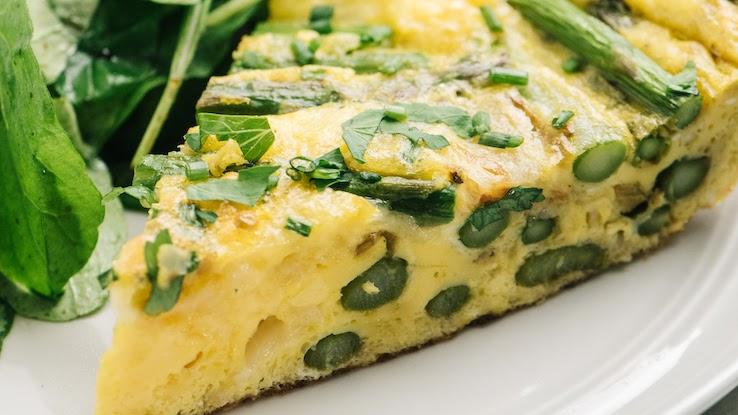
Traditional quiche begins with a pie crust as its base, which isn't ideal if you're limiting carbs. But, by removing the crust — or using some delicious, low-carb substitutes — you can still enjoy the delicate egg and zesty ingredient combinations that make this dish so versatile. Start diversifying your low-carb breakfast menu (or even your evening meals) with these easy crustless quiche recipes.
Crustless Vegetable Quiche
Photo Courtesy: [EasyBuy4u/Getty Images]
Starting the day with an array of healthy vegetables — plus the protein from eggs — on your plate is never a bad idea. That's why this crustless vegetable quiche is such a nice option: You get great flavors and all the nutritional benefits of whatever veggies you add. Plus, it's vegetarian friendly. Even if you're not fully vegetarian, there are some great reasons to try this quiche; forgoing meat once in a while and upping your consumption of fresh produce can improve your cholesterol levels, for one.
This recipe from Food.com calls for broccoli, red pepper and zucchini, though you can swap them out for other vegetables if you prefer. Mushrooms, asparagus and tomatoes are tasty options as well. All are great sources of different vitamins, minerals and fiber. Add the cheese of your choice and some salt and pepper or other spices for an easy way to change up the flavor profile.
Crustless Quiche Lorraine
Photo Courtesy: [jaker5000/Getty Images]
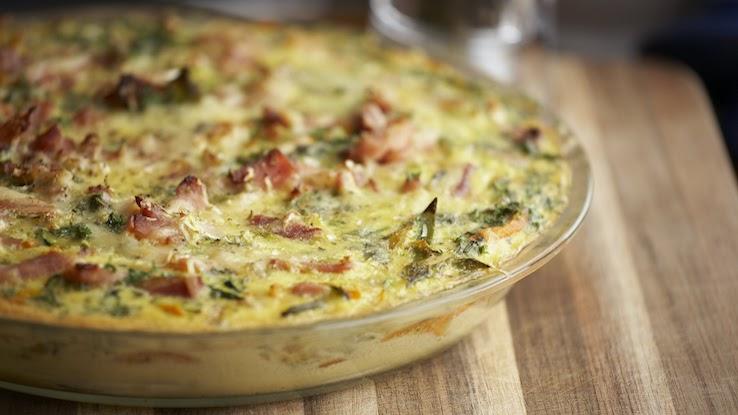
Quiche Lorraine might be one of the most classic (and best-known) recipes for this dish — and it's just as delicious without the crust. If you're looking for a keto-friendly breakfast dish that helps you reach your daily protein goals, this crustless quiche Lorraine, also from Food.com, is a top option.
Generally, people who follow the ketogenic diet get about 75% of their daily calories from fat, 20-30% from protein and around 5% from carbs. This recipe gets its fat and protein from the eggs, bacon and Swiss cheese you'll use. If you want to add a vegetable for extra flavor and nutrients, try spinach; it's relatively low in carbs but packed with healthy vitamins A and K.
Bacon Cheeseburger Keto Breakfast Quiche
Photo Courtesy: [John Rizzo/Getty Images]
Looking for more crustless quiche options that work just as well for dinners as they do your morning meals? You'll want to try this bacon cheeseburger keto quiche from Kalyn's Kitchen. It satisfies keto fat and protein requirements thanks to its ground beef, bacon, eggs and the cheese of your choice (we recommend sharp cheddar). For a little bit of low-carb veggie crunch, add a handful of green onions and pickles into the mix too — yes, pickles in crustless quiche. They really do elevate this dish with their crunch and zesty tang.
Spicy Southwest Crustless Quiche
Photo Courtesy: [yipengge/Getty Images]
For those on the keto diet who also like a little kick to their meals, this spicy Southwest crustless quiche from the folks at Wisconsin Cheese will definitely satisfy any flavor cravings. It's packed full of fat and protein thanks to its eggs, heavy whipping cream, milk and pork sausage. Add some jalapenos, green peppers and pepper jack cheese to crank up the spice level.
As with most of the quiche dishes in this list, you'll cook this in a greased pie dish at 350 degrees Fahrenheit until the edges are golden brown and the center of the quiche no longer looks runny or jiggly. It may take about 45 minutes to achieve the right cooked consistency, and you can also tell the quiche is done — as with many baked treats — when a knife inserted into the center comes out clean. Let the quiche stand for about 10 minutes to fully firm up before slicing into it.
Vegan Crustless Quiche
Photo Courtesy: [Cavan Images/Getty Images]
This one is a bit of a surprise — a unique and flavorful surprise. You already know quiche is an egg dish, and eggs aren't vegan. So you might also be wondering how a vegan version could exist. In showcasing some true culinary creativity, this vegan crustless quiche from The Spruce Eats utilizes tofu, dairy-free crumbled cheese, soy or almond milk, nutritional yeast, ground cashews and dairy-free cream cheese.
The result is a smooth, authentic crustless quiche that's perfect for people who eat a plant-based diet or those who are allergic to eggs. In addition to its healthful egg-free base, it's got asparagus, garlic and turmeric to spice things up just right. You can always add or substitute your preference for other veggies as well; consider using what's in season to enjoy them at their peak of freshness.
Kale and Feta Crustless Quiche
Photo Courtesy: [Kale and Feta Crustless Quiche/Eating Bird Food]
Eating Bird Food's kale and feta crustless quiche recipe is an easy yet flavorful low-carb meal that makes for not only a delicious breakfast but also an ideal main course for lunch or dinner. Simply pair a slice with a cup of soup or a salad to create a well-rounded meal. As an added bonus, this recipe is a little different from other basic crustless quiches, which can keep your taste buds on their toes while giving you a nutrient boost at the same time.
Aside from the kale, feta and eggs — its star ingredients — this recipe uses coconut oil, almond milk, mushrooms, garlic, nutmeg and parsley. And here's an interesting tidbit of information about kale: It's a superfood that's chock-full of vitamins and minerals — but that's also low in calories and carbs.
What Are the Best Low-Carb Fruits to Eat on a Keto Diet?
The keto diet can help increase your chances of weight loss. But if you don't eat the right kinds of fruits, and in the right amount, you may kick yourself out of ketosis and stall your weight loss efforts.
Reviewed:
Avocados, raspberries, and lemons are keto-friendly fruits when eaten in moderation.
Fruit is known to be high in carbs, so you might think nature's candy is off-limits on the trendy, high-fat, low-carb ketogenic diet.
Think again.
With the right picks, you can enjoy fruit on a keto diet. You just need to school yourself on which fruits are a good fit via a keto diet food list and then enjoy them in moderation.
A Primer on the Keto Diet and Ketosis
First, it's important to understand how keto may help you lose weight. The purpose is to kick your body into ketosis, a natural metabolic state that forces your body to burn fat rather than carbs. This happens because, on the keto diet, you're usually taking in 50 grams (g) or fewer of carbs per day, says Deborah Malkoff-Cohen, RD, CDCES, a nutritionist based in New York City. While several variations of the keto diet exist, the standard approach to this plan requires you to take in about 70 to 80 percent of your calories from fat, 20 percent from protein, and 5 percent from carbs, according to the Cleveland Clinic.
Because some fruits have more carbs than others, knowing which ones to avoid is key for accelerating weight loss and reaping other possible benefits of keto. Just know that large, long-term, randomized controlled trials on the keto diet are limited, so it's unclear whether keto is safe and effective to follow for the long haul, according to Harvard Medical School.
Also important before you jump on the bandwagon is to know that keto can pose health risks to some individuals, including people with type 1 diabetes and people with type 2 diabetes who are on medication, people who are at risk for heart disease, people with kidney disease, and women who are pregnant or breastfeeding, according to a recent review.
RELATED: What People With Type 2 Diabetes Need to Know About the Keto Diet
For anyone, regardless of any underlying health issues, the so-called keto flu is a possibility (and even likelihood) as your body adjusts to ketosis on the keto diet, says Tori Schmitt, RDN, founder of YES! Nutrition, based in Dayton, Ohio. Fatigue, irritability, headaches, and nausea are all symptoms of the keto flu, Schmitt says. Fortunately, keto flu lasts only about one to two weeks. Play it safe and ask your healthcare team if keto is right for you.
What Fruits to Eat on a Low-Carb Keto Diet
If you've decided keto is a good fit for your wellness goals, and you want to add fruit to your meal plan, choose fruits with the least amount of net carbs, which is the total amount of carbohydrate content in a fruit minus its fiber content (since the body can't digest fiber), according to the website for the popular low-carb Atkins diet. The keto diet allows for about 25 g of net carbs per day, per the healthy-lifestyle website Ruled.me. Dietitians recommend reaching for the following fruits.
Whether you're adding them to a recipe or snacking on a handful of them raw, blackberries can make a great addition to your keto meal plan. A ½-cup serving barely contains any fat (less than half a gram) and is also low in net carbs, with just 3 g, according to USDA data. The same size serving offers nearly 4 g of fiber (13 percent of your DV) and 3.5 g of sugar. Blackberries also provide 117 mg of potassium, 15 mg of vitamin C, and 14 mg of vitamin K. This low-cal fruit is also a great snack for weight loss, containing about 31 calories per ½ cup.
Some people group tomatoes with vegetables, but a tomato is actually a fruit. A cup of cherry tomatoes contains fewer than 30 calories and has around 4 g of net carbs, according to USDA data. Their lower calorie count is due to their high water content, but research shows that tomatoes also contain many antioxidants, including beta carotene, vitamin C, and lycopene. A June 2021 study published in the journal Molecules found that lycopene, a plant-based pigment, has anti-cancer properties and also may help prevent heart disease.
This red-stalked fruit isn't often seen outside of its growing season, from spring to mid-summer, according The Old Farmer's Almanac, although it can be frozen or pickled. One diced cup of this tart produce delivers more than 2 g of fiber for 26 calories, according to USDA data. It's also got some bonus protein, potassium, and vitamins C and A. The fruit's tart flavor can be enjoyed raw, roasted, or pureed in a small, low-carb smoothie. Just remember to remove the leaves before eating, as they can be toxic in large amounts due to oxalic acid, according to MedlinePlus.
RELATED: 10 Keto Instant-Pot Recipes Too Fast Not to Make
Carambola, or star fruit, is native to Asia and more common there than in the United States, according to the USDA. It's named for the shape it resembles when sliced and has a sweet and sour taste. And it's worth a try if you're on keto and want to add some variety to your diet. A cup of cubed star fruit contains about 5 g of net carbohydrates, with nearly 4 g of fiber, per the USDA. It's also low in calories (around 40 per cup) and contains potassium and vitamin C.
These berries contain flavonoids, powerful antioxidants that can help reduce blood pressure and promote healthier arteries, lowering your risk of heart disease, according to an article published in June 2021 in International Journal of Molecular Sciences. A cup of fresh raspberries has 64 calories but a whopping 8 g of fiber. With a little more than 5 g of sugar, the net carbs of that serving comes to under 7 g, according to USDA data. They're great eaten as a snack or as a topping for oatmeal or yogurt.
Like most melons, cantaloupe's high water content makes it hydrating and keeps calories low, around 54 per cubed cup, per USDA data. Although its fiber content is nothing to boast about, with fewer than 2 g per cup, and it has close to 13 g of sugar, cantaloupe contains a reasonable amount of carbs per serving, which makes it a fit on most keto plans. Like other fresh fruits, cantaloupe is full of vitamins and nutrients such as potassium, vitamins C and A, and beta carotene. A slice can be a refreshing snack, or try adding some to your next salad.
RELATED: 10 Grab-and-Go Keto Snacks Probably Already in Your Kitchen
Strawberries are another delicious, sweet, and filling fruit that you can eat in moderation on the keto diet. A cup of sliced strawberries contains more than 3 g of fiber and around 9 g of net carbs, according to USDA data. With 53 calories per cup, strawberries are a low-cal addition to yogurt, cereal, or smoothies. Strawberries also have antioxidant and anti-inflammatory benefits, per a study published in August 2021 in Plants. They also deliver plenty of antioxidant vitamin C.
This juicy melon is a refreshing way to get a keto-friendly fruit fix, with just 46 calories per diced cup, per USDA data. Like other melons, it's no fiber superstar, but the high water content keeps calories and carbs in check, with under 12 g per cup. And researchers in the USDA's Agricultural Research Service recently identified over 1,500 beneficial phytochemicals in watermelon, including antioxidants and lycopene.
This sunny citrus fruit and its juice are also keto-friendly, so go ahead and add a wedge or squeeze to your ice water. The juice from one lemon has 3 g of carbohydrates, per USDA data, and only around 11 calories. Yet you'll still get a dose of immune-boosting vitamin C, an antioxidant that fights free radicals (compounds associated with aging and chronic illness) and promotes healthy digestion, according to the Cleveland Clinic.